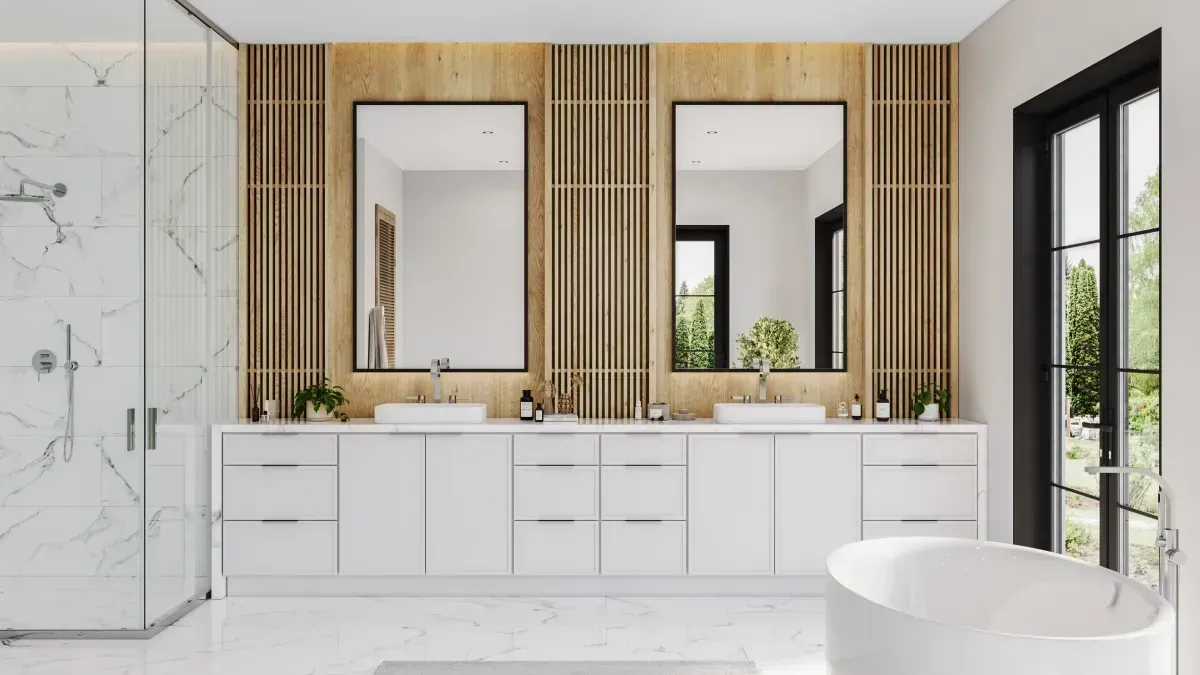
Designing for the Senses: Texture, Light & Luxury Interiors
Designing for the Senses: How Texture, Light, and Contrast Create the Feeling of Luxury in Your Home
Luxury is often described in visual terms — beautiful finishes, striking colors, clean lines, dramatic architecture. But the spaces that feel truly luxurious are not just seen.
They are felt.
Before we consciously interpret a room, our senses respond first. We notice the softness of a finish, the warmth of light, the weight of materials, the depth of shadow, and the quiet rhythm of contrast. These subtle sensory cues shape how a space affects our emotions, our comfort, and even our behavior.
Effortless luxury is not created through excess or ornament. It emerges from how a space speaks to the senses — gently, intelligently, and with intention.
This is where texture, light, and contrast become the silent architects of atmosphere.
Why Luxury Is First Experienced Through the Senses
Walk into a calm, well-designed space and your body reacts before your mind does.
You feel:
Ease
Warmth
Groundedness
Emotional clarity
This response comes from sensory harmony — when surfaces, materials, and lighting work together instead of competing.
A space feels stressful when:
Everything is shiny or reflective
Colors fight for attention
Lighting feels harsh or unbalanced
Your senses don’t know where to rest.
By contrast, a luxurious environment provides:
Visual rhythm instead of chaos
Softness instead of glare
Depth instead of flatness
It doesn’t overwhelm the senses — it organizes them.
The Power of Texture — Where Luxury Begins
Texture is one of the most overlooked elements in interior design — yet it is one of the strongest indicators of perceived luxury.
Textures such as:
Honed or matte stone
Natural wood grain
Soft-touch finishes
Linen, boucle, and cotton blends
create a sense of depth, warmth, and grounded comfort.
These materials:
Age gracefully
Feel authentic to the touch
Invite interaction rather than repel it
Shiny, overly polished surfaces may look dramatic — but matte and softly textured finishes create emotional calm.
Texture communicates:
Warmth
Quality
Quiet sophistication
Even when a space is simple, layered textures prevent it from feeling empty or sterile.
They make simplicity feel intentional — not minimal.
How Light Shapes Mood, Atmosphere, and Emotional Warmth
Light is the most powerful emotional design tool in a room.
It influences:
How colors appear
How textures read
How spacious or intimate a room feels
Soft, diffused light creates serenity and depth. Harsh light flattens details and increases visual stress.
Thoughtful lighting design considers:
Where natural light enters
How it moves over materials throughout the day
Which surfaces should glow — and which should rest in shadow
Matte finishes and textured materials gently scatter light — rather than reflecting glare. This creates environments that feel:
Calmer
Softer
More welcoming
In luxurious spaces, light does not dominate.
It collaborates.
Contrast — The Element That Turns Simplicity Into Sophistication
A room without contrast may look clean — but it will feel flat. Contrast introduces visual depth and emotional dimension through:
Light vs shadow
Warm vs cool tones
Smooth vs textured materials
Matte vs subtle reflective accents
The goal is not drama — but quiet balance. Examples of thoughtful contrast include:
Warm wood cabinetry paired with cool stone counters
Soft matte finishes offset by gentle metallic accents
Light walls grounded by darker floors or framing elements
Contrast gives the eye structure and direction. It turns stillness into presence — and simplicity into elegance.
Why Sensory Harmony Makes a Space Feel Calm and Expensive
Spaces feel luxurious when the senses are supported, not overstimulated.
Sensory harmony creates environments that feel:
Peaceful instead of busy
Grounded instead of chaotic
Warm instead of cold
This happens when:
Light softens rather than sharpens
Texture invites rather than repels
Contrast deepens instead of overwhelms
Luxury is not loud.
It does not insist on being noticed.
It lives in:
Depth
Balance
Material honesty
Emotional clarity
When these qualities align, a space feels elevated — even when the design itself is subtle.
Designing for the Senses — A More Human Approach to Luxury
True luxury is not about extravagance or excess.
It is about designing spaces that:
Support how we feel
Encourage connection
Slow our pace
Bring calm into daily living
Texture, light, and contrast are not just aesthetic choices — they are psychological ones.
They shape how we experience our homes.
They influence how we move, think, and gather.
They remind us that design is not simply visual.
It is human.